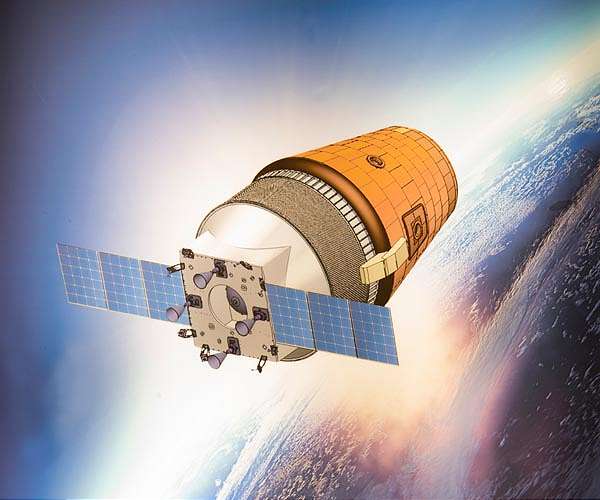
Overview of ISRO Launch Vehicles

India's launch vehicles are designed to deploy satellites efficiently into diverse orbits—from low Earth orbit to geostationary and deep space missions.
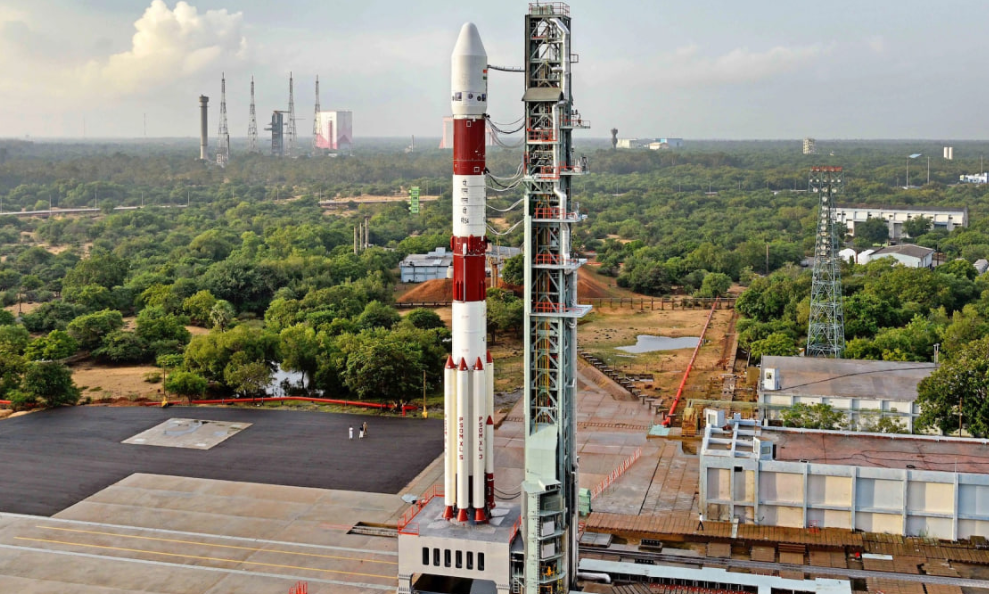
PSLV

PSLV (Polar Satellite Launch Vehicle)

  • Operational since 1993, this is ISRO's most versatile and dependable launcher.
  • Has deployed Earth observation, interplanetary, and student satellites—like Chandrayaan-1 and Mangalyaan.
  • Has completed over 60 successful missions with multiple configurations (e.g., core-alone, XL version).

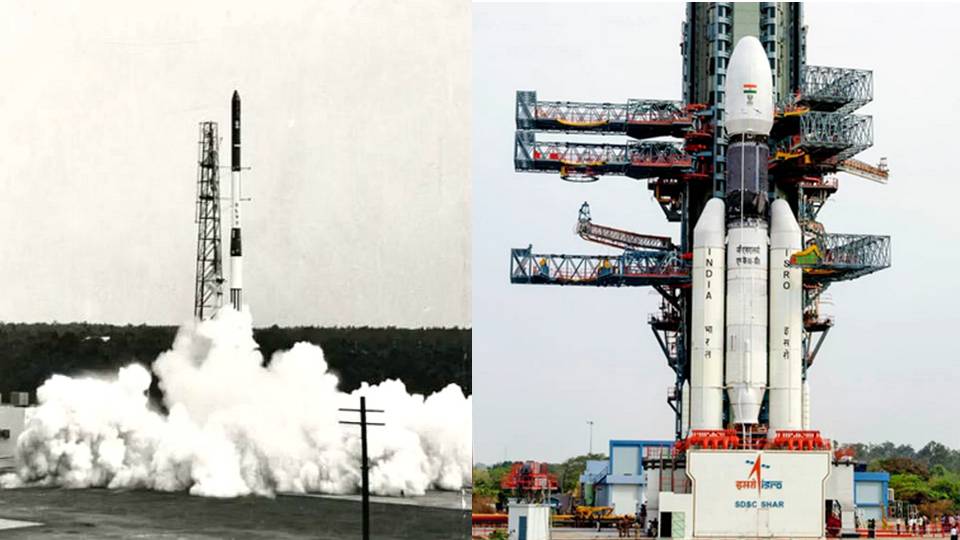
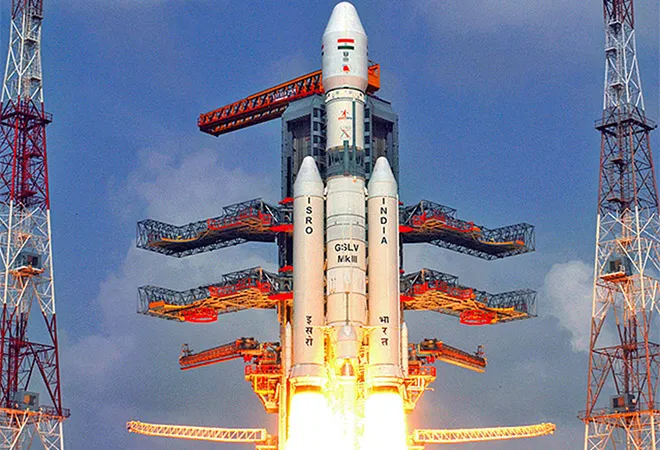
GSLV (Geosynchronous Satellite Launch Vehicle)

  • Designed to carry heavier payloads to geostationary transfer orbits.
  • An enhanced variant, GSLV Mk III (also LVM3), delivered Chandrayaan-2 and the GSAT family of satellites.
  • Planned to be used for India's upcoming human spaceflight missions (Gaganyaan).
GSLV
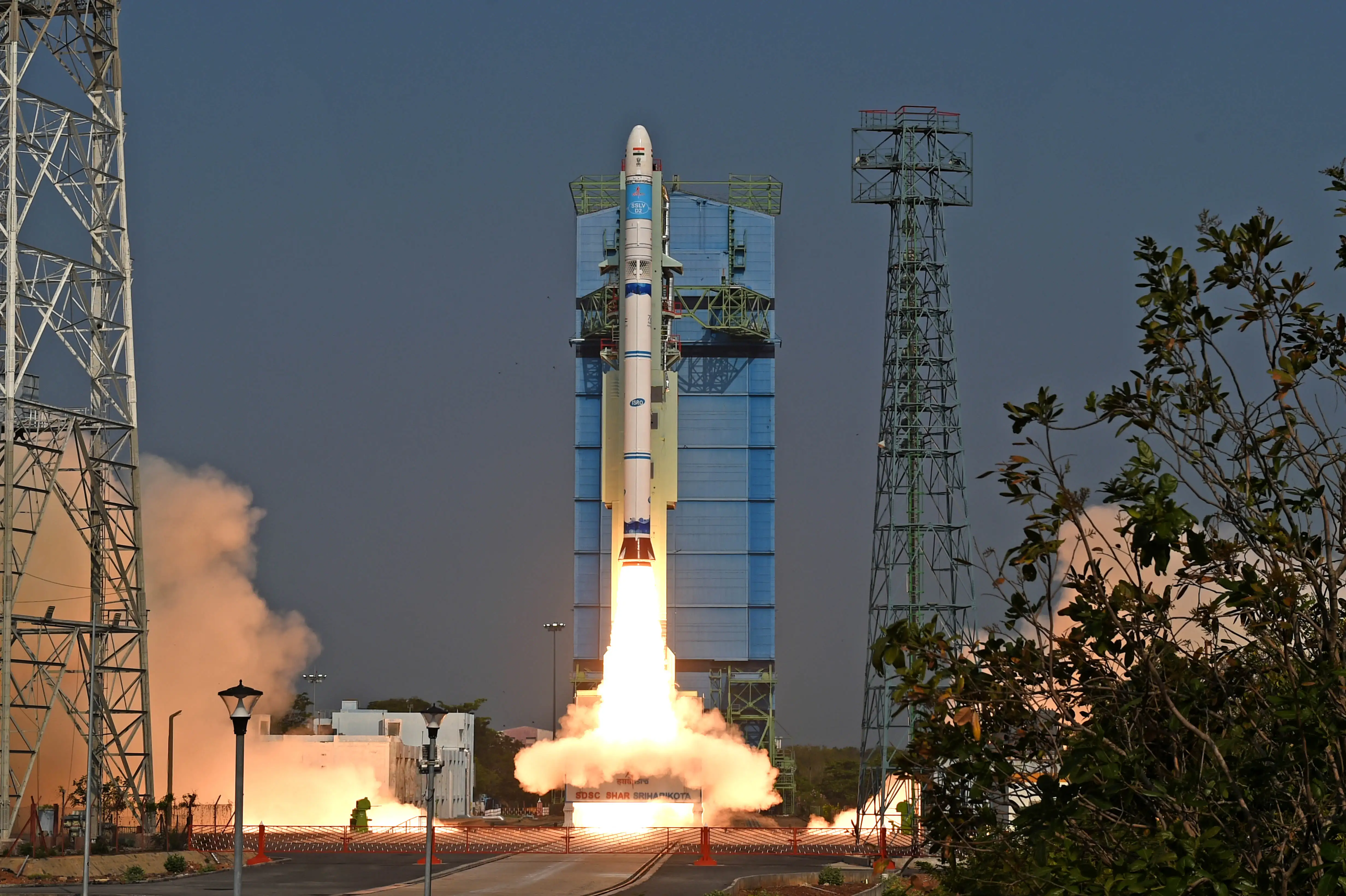
SSLV

SSLV (Small Satellite Launch Vehicle)

  • Compact and cost-effective vehicle tailored for small satellite deployment.
  • Less than 30-meter tall with quick turnaround and simplified propellant filling.
  • Aims to democratize access to space for universities and startups.

RLV (Reusable Launch Vehicle, Demonstrator)

  • Experimental winged vehicle to test reusability and autonomous landing.
  • First successful atmospheric flight completed in 2016.
  • Key step toward India's future reusable launch systems.
RLV
SLV-3

SLV-3 (Satellite Launch Vehicle-3)

  • India's first indigenous satellite launch vehicle, operational between 1979-1983.
  • Four-stage solid propellant rocket with a height of ~22 meters.
  • Successfully launched Rohini Satellite RS-1 into orbit in 1980, marking India's entry into space launch capability.

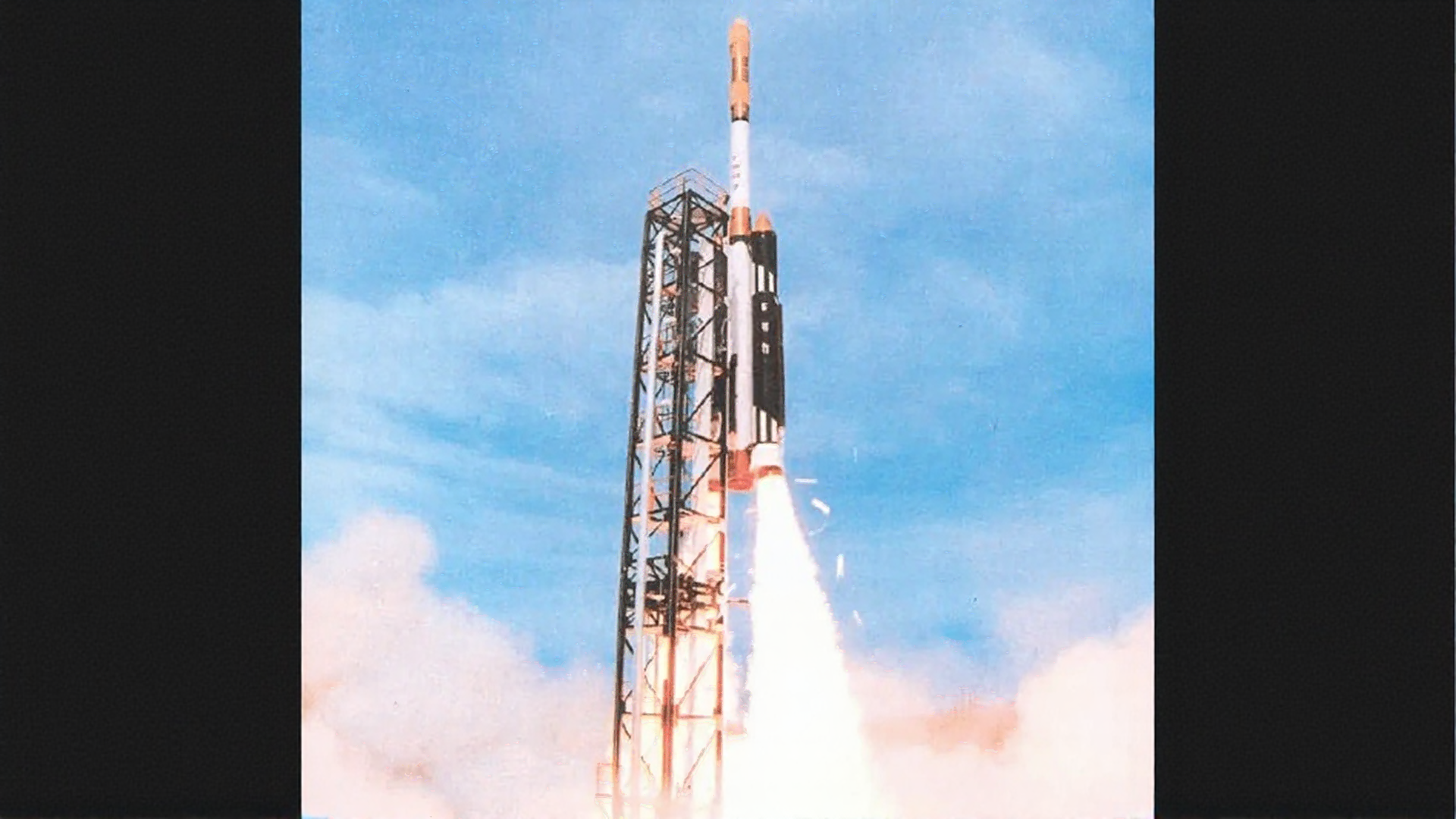
ASLV (Augmented Satellite Launch Vehicle)

  • Developed in the 1980s as a stepping stone between SLV-3 and PSLV.
  • Five-stage all-solid vehicle designed for low Earth orbit payloads up to 150 kg.
  • Faced partial successes, but greatly contributed to ISRO's understanding of multistage dynamics and control.
ASLV
Gaganyaan Launch Vehicle

Gaganyaan Launch System (Human Spaceflight)

  • India's first crewed space mission expected in the coming years.
  • Will use a human-rated version of the GSLV Mk III (LVM3) for orbital launch.
  • Includes Crew Escape System (CES), autonomous docking, and orbital re-entry technologies.
  • Successful abort test conducted in 2023; uncrewed mission planned before crewed flight.